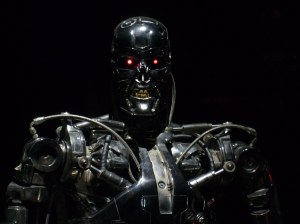
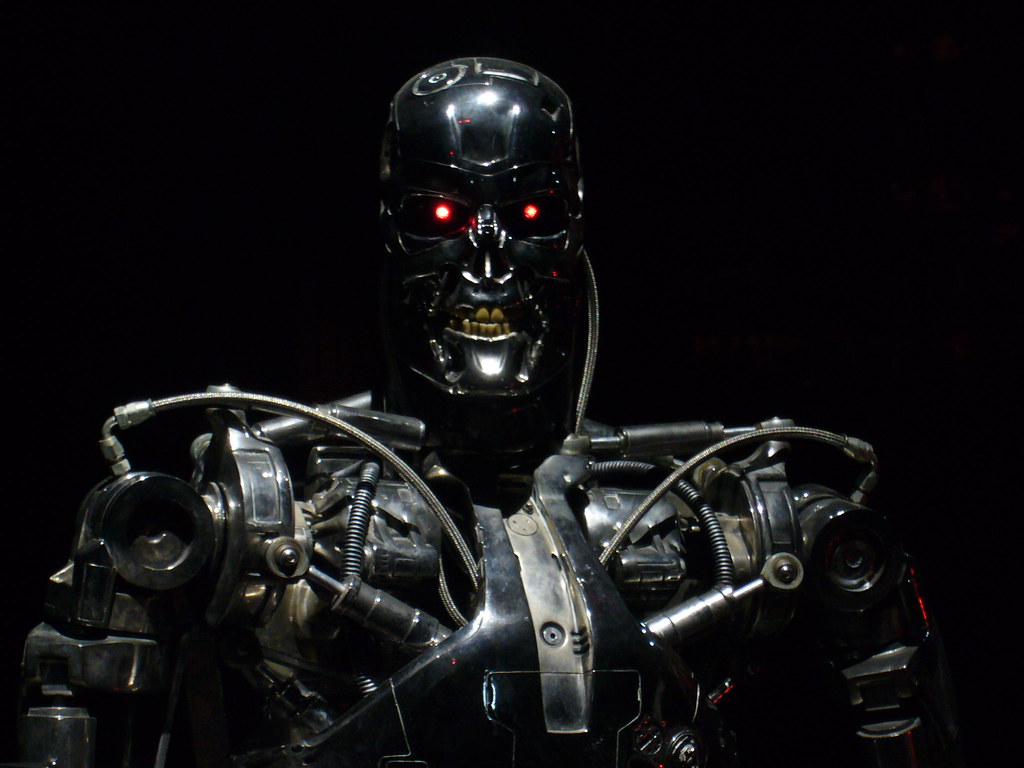
 The thought of Artificial Intelligence, for most people, immediately brings with it the image of Arnold Schwarzenegger’s Terminator or C3P0 from Star Wars. However, the reality of Artificial Intelligence (AI) is very different; comparing AI to human intelligence is the first mistake people tend to make.
Research into AI began over 60 years ago and until fairly recently, the most common forms of AI consisted of nothing more than extremely quick information processing systems that completed specific functions reliably and accurately. A well known example is ‘Deep Blue’, the chess computer that beat the reigning world chess champion, Gary Kasparov, in 1997 and subsequently became the first computer system to do so.
The advantages that Deep Blue had over Kasparov did not lie in its ability to learn, moreover they lay in memory and computation. However, ‘Machine Learning‘ is a subset of AI that has flourished since the 1990s due to the explosion of available data, and is the AI that is most commonly found today. Machine Learning involves the creation of artificial ‘neural networks’ which simulate the way the human brain learns. Machine-learning applications build models based on data-sets that engineers use to train the system, and with each new data set, it updates its model and the way it interprets the world. A seminal moment came in 2016; Google’s ‘AlphaGo’ demonstrated a significant machine-learning advance, beating the reigning human champion of ‘Go’, a game more complex than chess or checkers. To win, AlphaGo used deep learning to evaluate the strength of different board positions having been previously trained by matching the moves of expert players from recorded historical games. AlphaGo then used this knowledge to continually play against itself, learning to improve after every single move it made.
However, despite the incredible human-beating performance of both ‘Deep Blue’ and ‘AlphaGo’, ask either of them to complete a much more routine task, like mowing the lawn, they would be of no use whatsoever. AI, therefore should normally be regarded as ‘domain-specific’. Indeed, when you consider the amount of routine tasks an average human completes every day, (physically, emotionally, academically, subconsciously etc.) you realise that although AI may well be able to match (or even beat) humans at the specific task for which they have been trained, otherwise they are simply not as intelligent as humans and shouldn’t be considered as such. In fairness, domain-specific AI developers do not claim to have matched holistic human intelligence. Such a feat is known as ‘The Singularity’ and is something we are still pretty far from achieving. However, renowned physicist, Professor Max Tegmark, argues that there is no fundamental reason why AI will not continue to progress until this is the case.
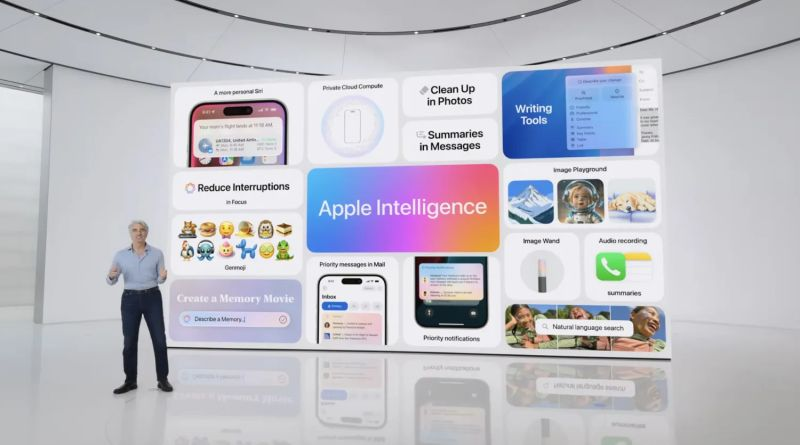
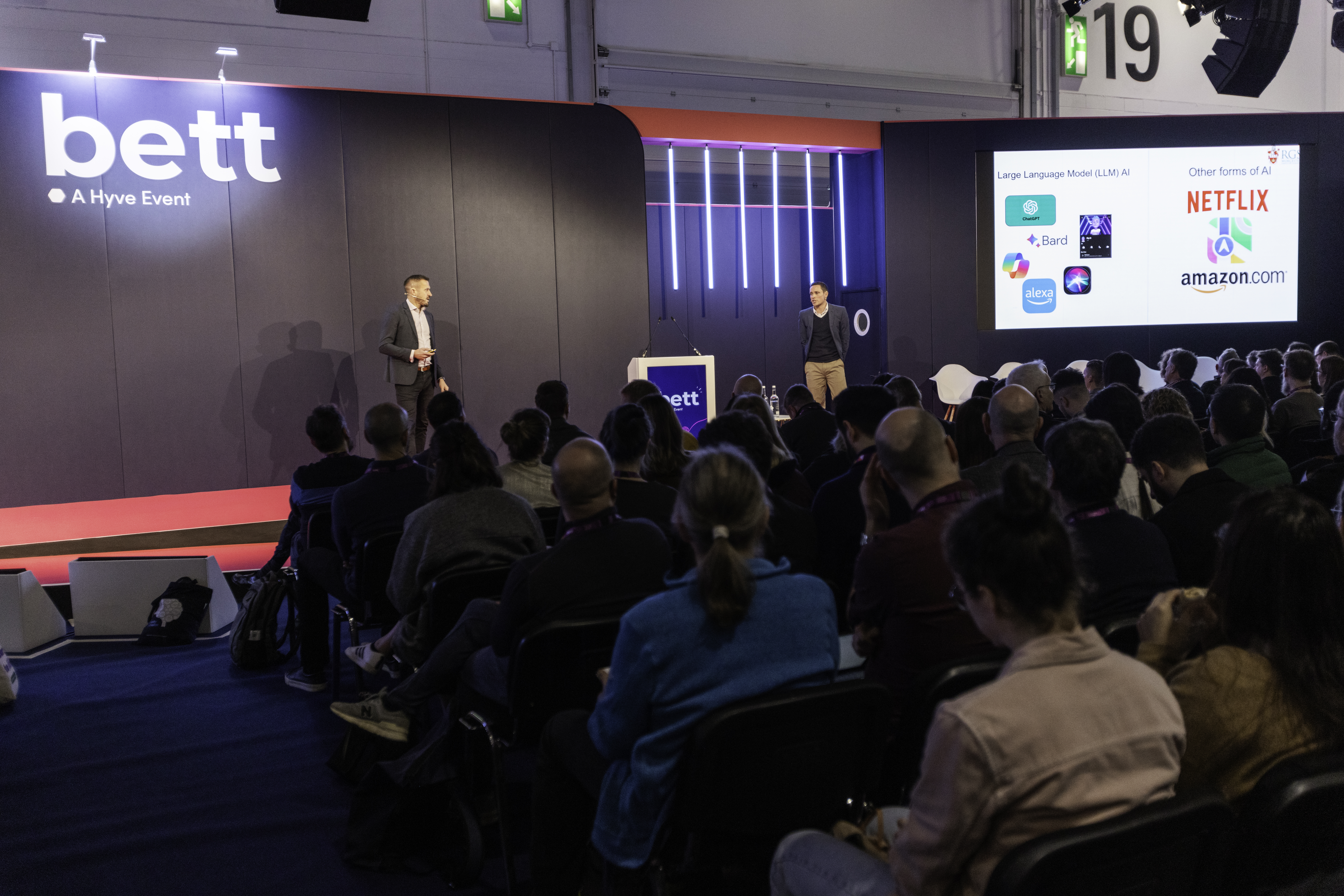
 Right now though, in the early 21st Century, AI is rapidly becoming part of our everyday lives. All new Apple computers, phones and tablets come with the virtual assistant, Siri, whilst smart-speakers such as Amazon’s Alexa are becoming evermore popular. Each piece of software adapts to users individual language usages, searches and preferences. Sound waves are converted into text which allows the AI to gather information from a variety of sources from which the AI is able to answer the questions, or complete the task set, using the data as required. There are also plenty of other areas in which AI has permeated everyday life:
- Finance: banks routinely use machine learning for fraud detection whilst most stock market trading decisions are made by computers.
- Manufacturing: AI controls robots that enhance proficiency and precision in the construction of cars, airplanes etc. it has also decreased the number of industrial accidents
- Transportation: cars such as the Audi A8 already have automated AI functionality whilst some airlines use AI to identify potential flight glitches. The potential for AI to save lives on roads, in the air and on water is huge.
- Energy: AI helps to balance production and consumption across the world’s electrical grids whilst helping to keep power stations operating efficiently and safely.
- Healthcare: machine learning is helping to reveal relationships between genes, diseases and treatment responses. Moreover, in 2016 a Stanford study showed that AI could diagnose lung cancer better than human pathologists.
- Communication: most modern smart phones come with in-built AI which can also connect to the ‘internet of things’; providing improved efficiency, accuracy, convenience when controlling items such as lamps, thermostats, freezers etc.
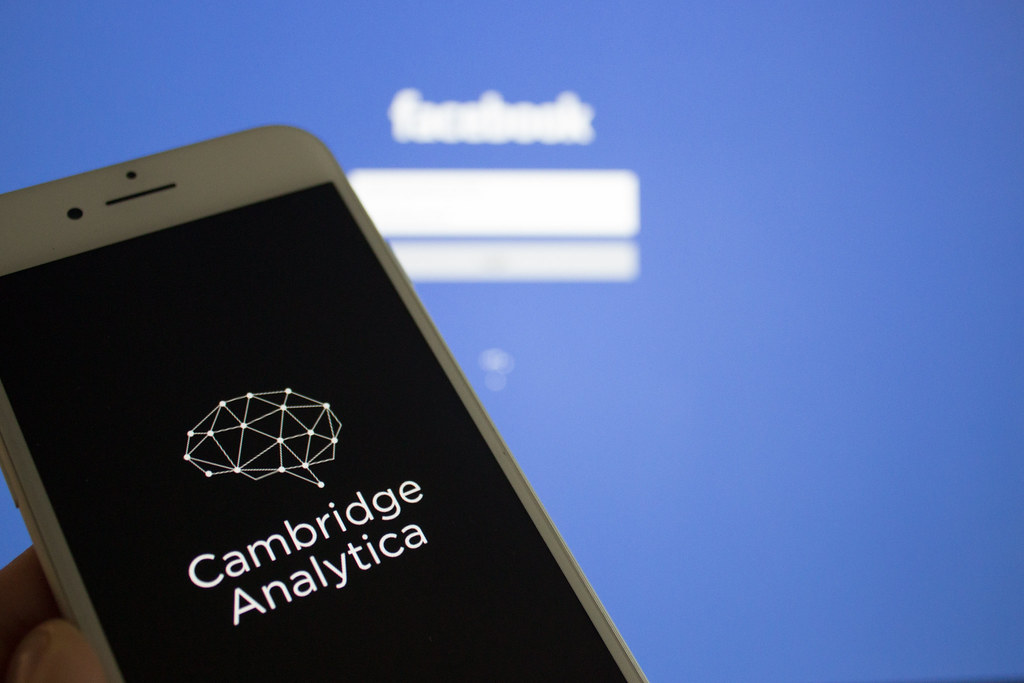
- Marketing: companies such as the disgraced Cambridge Analytica have made the headlines by using machine learning to predict who will respond favourably to targeted adverts.
- Retail: Amazon, Ocado and L’Oreal all use AI to navigate their warehouses and to lift and stack products, fulfil customer orders and pack materials whilst preventing accidents respectively.
AI In Education
 However, despite these in-roads, AI has yet to have a major impact on mainstream education. Most schools are still getting to grips with the remarkable opportunities afforded by WiFi, digital learning and mobile technology. Nevertheless, there are some examples of how AI is having an impact on learning and indeed, business functionality in education. For example, UK based educational AI company, Century Tech, has developed a learning platform alongside neuroscientists that tracks student interactions, including every mouse and keyboard movement. Century Tech’s AI monitors patterns and correlations in student, year group and school data and provides a personalised learning journey for each student, whilst giving teachers a real-time snapshot of the status of all children in their classes. At RGS Worcester we are planning to visit to a number of UK schools, such as Bolton School, that are already utilising the Century Tech AI.
With this machine learning opportunity already available, it is only a matter of time before other possibilities afforded by AI are realised; here are a few examples ascertained from my research:
- Disruption of the ‘Industrial’ model of education and personalised learning
- It is often argued that today’s classrooms have barely changed since education became available to the masses during the Industrial Revolution. Artificial Intelligence has the potential to completely change this model. Rather than having 1/2 teacher(s) per 30 children, each child could have a personalised assistant with an individually tailored learning programme. Taking the next step from the existing Century Tech software, future AI could actually co-deliver lessons to pupils at an optimal pace, understanding exactly what motivates, stimulates and select activities that best challenges them. Furthermore, AI could monitor tiredness, learning difficulties and psychological well-being, continually accumulating more information to optimise the learning programme alongside their human teacher.
- Reduce Teacher Workload
- The human aspect of teaching, in my opinion, should never be replaced. However, AI can remove many of the routine burdens that prevent teachers from being able to devote their energy to their students and indeed, teaching itself. AI could select the appropriate teaching materials for each lesson and note when pupils are absent or distracted. Furthermore, it could continuously measure and assess student progress/work so teachers no longer have to. The AI could then provide detailed assessments to teachers and even send reminders to pupils to finish uncompleted work whilst offering detailed formative advice. In turn, this could help improve teacher retention and recruitment.
- Breadth of Intelligence Developed
- AI can open up a much broader education for all. Unfortunately, for a variety of reasons, not all schools are able to provide the broadest possible enrichment. Emotional development, a wide-selection of languages, drama, teamwork, travel, sporting achievement, exposure to the arts, moral leadership etc. are sometimes sacrificed in order to focus on grades and league-tables. AI, however, could allow for more effective development of every child’s cognitive capabilities and all possible elements of human intelligence.
- Stimulus for Students
- Computer games grab the attention of young people and the next step from creating AI that can play games (such as Deepblue and Alpha GO) is for AI to actually create immersive and intelligent games that provide tailored game-play experiences that continuously adapt to suit learners, never growing out-of-date in the process.
- Support for Disadvantaged Learners/SEN
- Students with physical disabilities that mean they can’t use input devices like mice or keyboards could use natural language processing that enables development of voice-activated interfaces. Indeed, students who find it difficult to access school could benefit from a personalised AI teaching assistant at their home.
- Efficiency, accuracy and quality of SEN diagnosis (e.g. ADHD) can be improved by AI. It can also educate instructors about the most effective methods with which to teach the individuals
- Work has already begun to use AI to help people who have Autism Spectrum Condition (ASC). Using data, AI systems have been able to help individual learners address special needs requirements. Another project, developed at UCL called ECHOES, resulted in the construction of a learning environment that built on existing technologies, such as interactive whiteboards, gesture and gaze tracking interfaces to create an interactive multimodal environment that could adapt to specific requirements of individual children with ASC.
- Social Mobility
- AI could offer the highest quality education for every student and help to counter-balance the stagnant social mobility opportunities afforded in society today. The rapidly falling price of technology means that as AI evolves, it could become widely available for a low cost and offer the same opportunities to all pupils. Class size, teacher quality, motivation/behaviour of peers, pace of progress and capital spending per-student could all become far-less of a factor in the quality of education available to students, regardless of socio-economic status.
Potential Pitfalls
 As with any new technology, there are some dangers regarding the proliferation of AI, and we should all be mindful of them to ensure we tackle them proactively rather than wait until it’s too late. Anyone who has seen ‘The Great Hack‘ on Netflix will have seen how AI was used to target floating voters in The US Presidential elections and the Brexit vote in the UK. Both the Trump and Pro-Brexit parties used Cambridge Analytica to harvest voter-data from Facebook which enabled them to produce and share specifically targeted videos, memes and links that helped to sway voter intention in the desired direction.
- Ethical Issues and Privacy
- To be as effective as possible, AI needs to know as much as is possible about our bodies and minds. In the wrong hands, this data could be used to manipulate and endanger. Procedures must be in place to regulate and store the data responsibly and securely.
- Infantilisation of humanity
- If you take the growth of SatNav as an example of how AI now guides us around our physical environment, it’s entirely plausible that other forms of AI could replace different aspects of our thinking. As Niall Ferguson wrote in the Sunday Times “…the sum of human understanding may end up being reduced by AI”.
- Loss of Jobs
- More efficient tools and machines have been replacing jobs for centuries, and some studies suggest that over 25% of current jobs are susceptible to automation. This isn’t necessarily a bad thing, however rather than replacing the drudgery of work – we must be mindful not to take away the satisfying, challenging, social, worthwhile and ultimately ‘human’ aspects of the workplace.
- Automation/Deprofessionalisation of teaching
- Professor Anthony Seldon claims that robots will replace teachers by 2027. Although this seems unlikely to me, there is the very real possibility that as AI becomes more adept at teaching students, teacher expertise in subject areas will be less comprehensive than the machines. Furthermore, although AI could help allieviate the teacher recruitment crisis, we must be careful not to see AI as a replacement for teachers. Rather, we should consider how we change teacher-training and the role of the teacher to best utilise the opportunities offered by AI.
- Social Immobility
- Currently, AI costs are significant, therefore we need to ensure that the potential advantages of AI are not monopolised by wealthy countries/families/schools. Indeed, there is a possibility that AI may become cheaper than actual teachers/TA’s and in less-advantaged parts of the world in the future, AI may be seen as a low-cost replacement. In this rather bleak, dystopian possibility, suggested by Professor Rose Luckin, the most privileged in society may receive holistic, human-led education where AI acts as an intelligent assistant whilst poorer students only have AI alongside childminders to keep them on task.
Conclusions
The AI revolution is not coming; it is already here. Furthermore, my research concludes there is little doubt about the incredible potential of Artificial Intelligence in Education. AI can enrich the teaching profession, reduce workload, personalise learning and enhance the experiences of children. One day in the not too distant future, it could even help to offer a world-class education for every child, no matter what their background or socio-economic circumstance. Nevertheless, it is an area within education in which we need to tread extremely carefully. The possible pitfalls that I have outlined must be managed proactively as we begin considering how best to integrate AI into our educational systems.
The speed at which AI is permeating into almost every aspect of our lives suggests that the education sector and the educators within it must prepare themselves and indeed, their students, for a new era in education where teaching and curriculum design will become entirely different from the so-called ‘Industrial Model’ that we have experienced since the 19th Century.
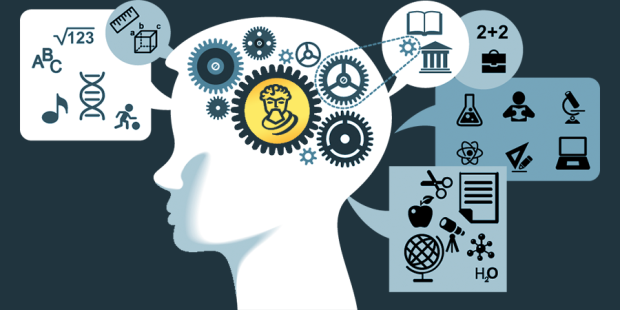
Intelligence itself is no longer a uniquely human concept, although the rise of AI has also demonstrated just how multifaceted human intelligence actually is. Yes, computers can out-perform us at certain tasks, but human intelligence is far more complex than that. Professor Luckin even suggests that the fact we call AI ‘Intelligent’ diminishes our own intellectual attributes; “there are many technologies that can deceive their users into believing they are human. However, I would suggest that this is more a reflection of our propensity to undervalue what it means to be human than a real reflection of the intelligence of the technologies”.
Perhaps the dawn of AI in education should also raise questions over the type of intelligence that our current education system encourages and values; facts that help you pass exams are undoubtedly important, yet they they are only a small aspect of what human intelligence is capable of. The fact that AI can now pass some of the exams we set for our pupils suggests that their scope is far too narrow. They do not take into account social intelligence, metacognitive intelligence, emotional intelligence and our perceived self-efficacy; all of which AI is unable to replicate.
The possibilities afforded by AI in education are remarkable, but we must ensure that where AI improves education, it does so in a way that compliments, rather than replaces, the most important aspect of teaching and learning; humanity itself.
Further Reading:


 Learn. Teach. Repeat...